
Unraveling common gambling myths What you really need to know
Understanding the House Edge
The house edge is one of the most misunderstood concepts in gambling. Many players believe that this margin is an insurmountable barrier, which can lead to a fatalistic approach to gaming. In reality, it varies significantly between different games, with some like blackjack offering a lower edge compared to others like slots. Understanding the odds associated with each game can empower players to make informed decisions. Our guide also explores how you can enjoy your stay at petallodgeholidaylet.co.uk, which offers nearby accommodations perfect for gamblers.
Moreover, the house edge does not guarantee that players will lose over time. It simply means that, on average, the casino retains a certain percentage of every bet made. Players can use strategies to minimize losses in games like poker, where skill plays a pivotal role. Therefore, acknowledging the house edge allows players to strategize effectively rather than succumb to misconceptions that lead to reckless gambling habits.
Additionally, players should recognize that short-term variance can result in both wins and losses that deviate from the expected outcomes dictated by the house edge. This aspect often fuels myths around “hot” or “cold” streaks, which may tempt gamblers to chase losses or make impulsive bets based on incomplete information. Understanding the mathematical foundation of gambling can help dispel these common myths and lead to more enjoyable gaming experiences.
Luck vs. Skill in Gambling
A prevalent myth in the gambling world is the belief that all forms of gambling are purely based on luck. While it’s true that chance plays a significant role, particularly in games like slots and roulette, many activities also require skill and strategy. For instance, poker is heavily influenced by players’ abilities to read their opponents, manage their bankroll, and make calculated decisions. Recognizing this blend of luck and skill can help players approach gambling with a more nuanced perspective.
In contrast, games such as craps and slot machines rely primarily on chance, leading many to think they can win solely by relying on luck. However, even in these games, there are strategies and methods for responsible play, including setting win and loss limits. By understanding the distinctions between luck-based and skill-based games, players can better align their gambling preferences with their personal strengths and objectives.
It’s also vital to consider the importance of practice in skill-based games. While luck may determine short-term results, dedicated practice and strategic learning can lead to improved outcomes. Players should embrace the learning process, which not only enhances their skills but also fosters a deeper appreciation for the intricacies of various games, leading to more rewarding experiences overall.
The Myth of Gambler’s Fallacy
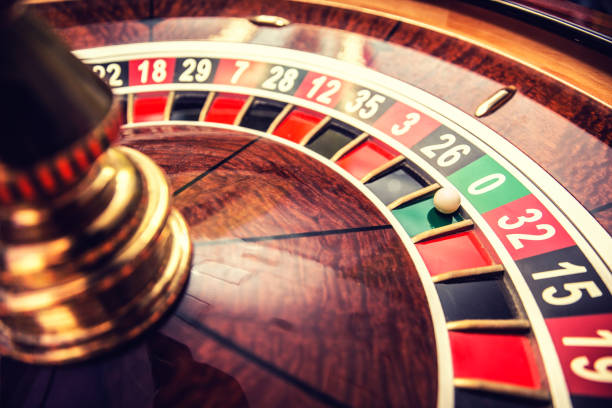
The gambler’s fallacy is a widely held belief that past outcomes influence future events in a random game. For example, if a roulette wheel has landed on red several times in a row, some players may believe that black is “due” to come up next. This misconception stems from a misunderstanding of probability and randomness, which can lead to poor decision-making and potentially significant losses. Understanding that each spin or deal is independent helps mitigate the effects of this fallacy.
This myth often emerges in social settings, where anecdotal evidence seems to support the idea that patterns exist. In reality, however, randomness governs these games, and players are encouraged to rely on factual probabilities rather than anecdotal assumptions. Educating oneself on how these games are designed can break the cycle of erroneous thinking that drives many to chase losses in hopes of hitting a “winning streak.”
Breaking free from the gambler’s fallacy requires a shift in mindset. Players should focus on their strategies and not let emotions dictate their gambling decisions. By grounding themselves in the reality of odds and probabilities, gamblers can foster a healthier relationship with gaming, ultimately enhancing their overall experience and reducing the likelihood of chasing losses based on flawed logic.
Understanding Casino Etiquette
Casino etiquette is an essential aspect of the gambling experience that is often overlooked. Many first-time visitors may feel intimidated or unsure about the unwritten rules governing behavior at a casino. From how to handle chips to the proper way to interact with dealers and fellow players, understanding etiquette can greatly enhance one’s enjoyment and ease in a casino setting. For instance, it is customary to tip dealers for good service, as this practice not only fosters goodwill but also enriches the overall atmosphere.
Moreover, observing how seasoned gamblers behave can provide valuable insights into casino norms. Knowing when to place bets, how to signal for help, or the etiquette involved in joining a table can enhance a player’s confidence. Furthermore, respectful conduct toward fellow gamblers and staff contributes to a more enjoyable environment for everyone. Recognizing and practicing proper etiquette can make the gambling experience much smoother and more enjoyable.
In addition, familiarizing oneself with specific game rules and social behaviors helps prevent misunderstandings. For example, different games have different protocols for handling winnings and losses. Being well-versed in these social nuances demonstrates respect for both the game and other participants, creating a more harmonious atmosphere and encouraging positive interactions with everyone involved in the gaming experience.
Discover More About Responsible Gambling
Responsible gambling is a critical topic for anyone engaging in gaming activities. Many misconceptions exist surrounding this aspect, which can lead individuals to ignore warning signs of problematic behavior. The truth is that gambling should be viewed as a form of entertainment rather than a way to make money. Understanding this distinction is essential to cultivating a healthy relationship with gaming and ensuring that it remains enjoyable.
Players must educate themselves about their gambling habits and set limits to avoid falling into harmful patterns. Engaging with resources focused on responsible gambling can offer insights and tools for self-regulation. Whether it’s setting deposit limits, establishing time restrictions, or seeking help when needed, being proactive in this area is crucial for maintaining control and promoting a positive gambling experience.
By learning more about responsible gambling, players can also support those around them. Sharing knowledge and fostering open conversations about gambling can create a supportive community that encourages healthier behaviors. For individuals looking to expand their understanding of responsible gambling, exploring available resources and educational materials can provide essential guidance and promote lasting enjoyment of the gaming experience.